
Hardware Simplification
Today I’ve been thinking about ways to simplify the Plus Too hardware. Anything I can do to reduce the part count will make the final board easier to build, and also help with the the inevitable debugging work. The nice…
A hardware clone of the classic Macintosh 128K, 512K, 512Ke, and Plus.
Today I’ve been thinking about ways to simplify the Plus Too hardware. Anything I can do to reduce the part count will make the final board easier to build, and also help with the the inevitable debugging work. The nice…
Those of you who’ve followed the blog for a while know about my many frustrations with Verilog. Because it feels sort of a like a procedural programming language, but very definitely isn’t one, I keep expecting to be far more…
Is there any essential difference between an emulator and a hardware clone? What should it mean to “clone” a computer system? These questions have been on my mind a lot recently, as I work on my Mac Plus clone, somewhat…
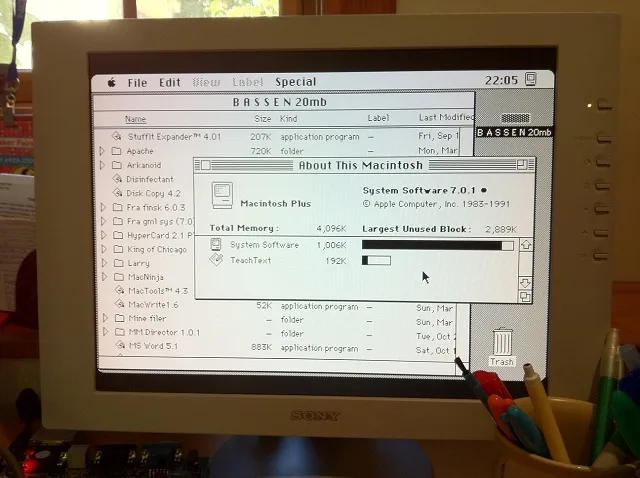
I’ve made some progress on Plus Too, but don’t get overly excited by the photo until you understand what it’s doing. I’ve finished the Verilog implementation of the video timing and pixel shifting modules, as well as some portions of…
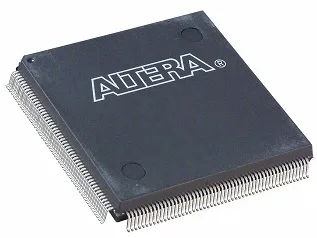
The primary components for Plus Too will be the 68000 CPU, RAM, ROM, maybe a microcontroller, and an FPGA containing all the simulated hardware and glue logic. For the FPGA, I’ve been doing some rough estimation of the number of…
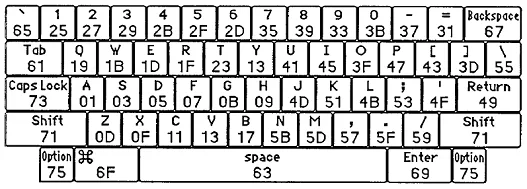
Digging further into the Plus Too design details, the next systems to consider are the keyboard and mouse. I plan to use a PS2-type keyboard and mouse, since they both communicate with a fairly simple serial protocol that’s easy to…
Page 3 of 4